The Quiet Art of Storage: Let Your Supplies Thrive
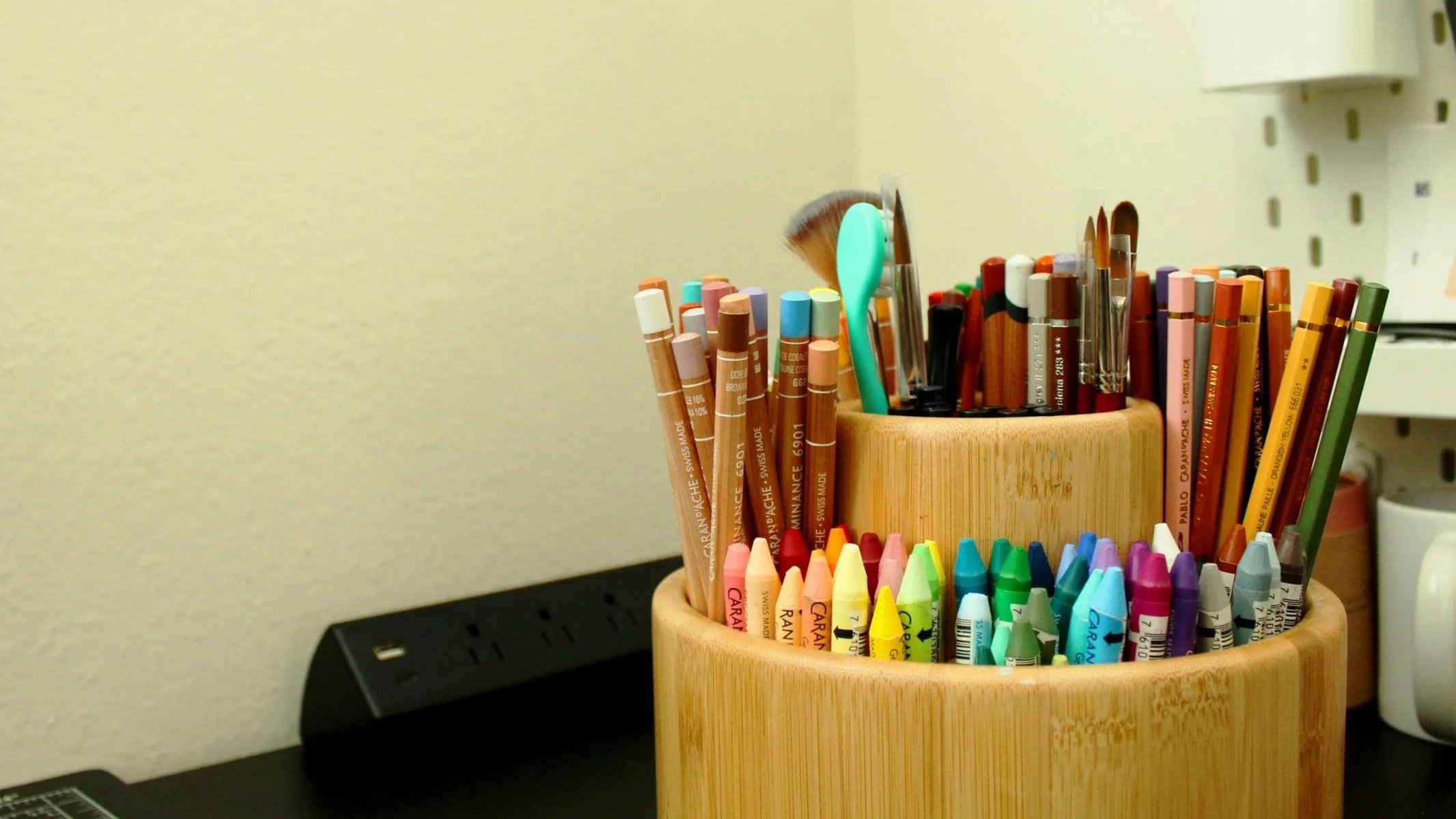
Have you ever walked into your studio or to your desk to create, only to be turned off and overwhelmed by supplies everywhere? Paintbrushes over here, paint tube tucked into the drawer over there, that canvas…somewhere around here…
Storing art supplies well isn’t about tidiness. It’s about protecting your tools, sparking creativity, and making sure your space is inviting to work in. Whether you're an illustrator, hobbyist, or parent managing a child’s craft corner, organizing pens, colored pencils, gouache, and other materials can turn clutter into calm. Here’s how to do it sustainably and beautifully.
1. Sort by Category and Frequency of Use
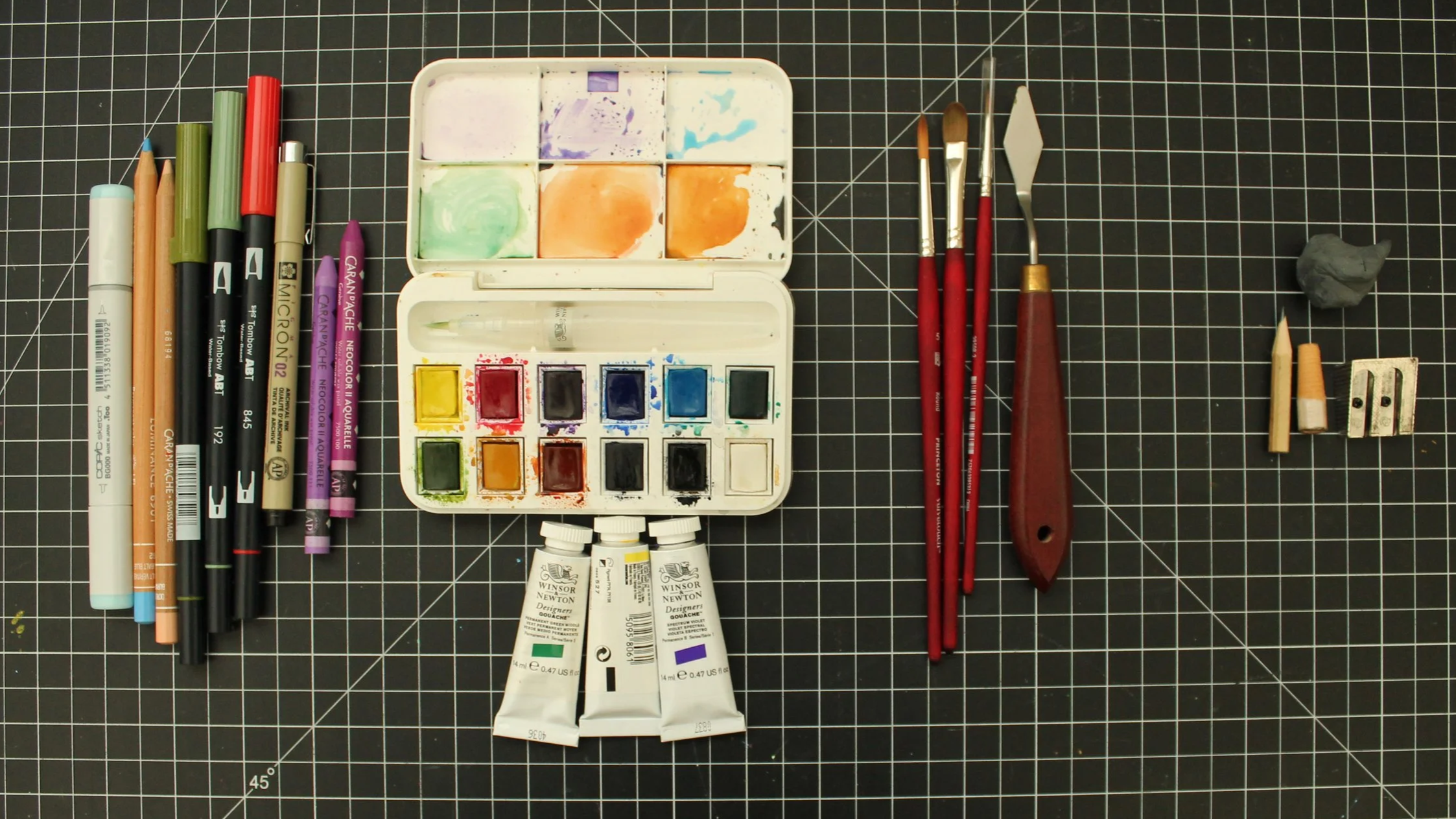
Start by grouping your supplies:
Drawing tools: pens, pencils, markers, pastels
Paints: gouache, watercolor, acrylic
Brushes & applicators
Paper & sketchbooks
Small items: erasers, sharpeners, stencils
| Keep frequently used items within easy reach. Store specialty or rarely used supplies in labeled containers.
2. Choose the Right Containers
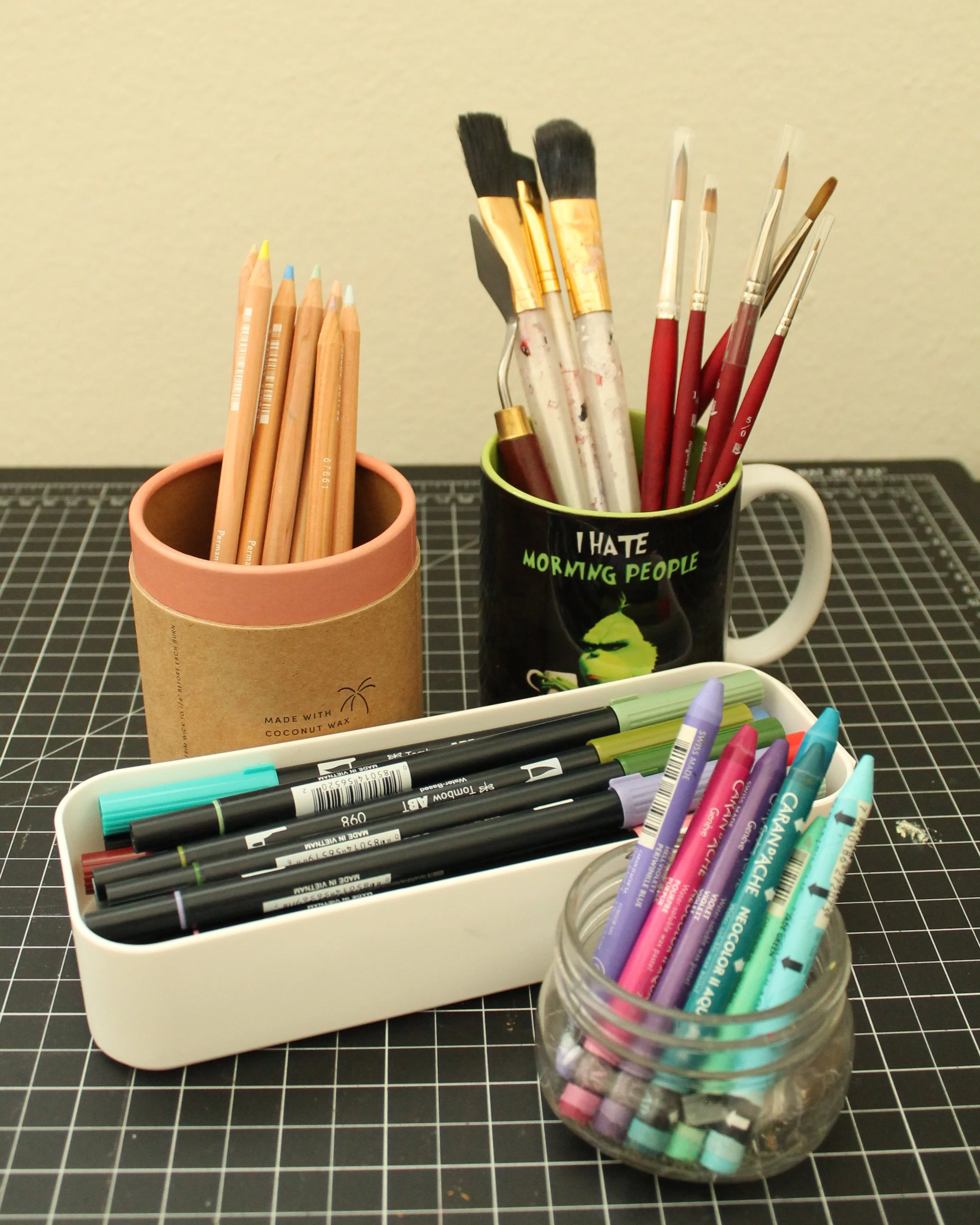
This is important, so you can see what you have at a glance.
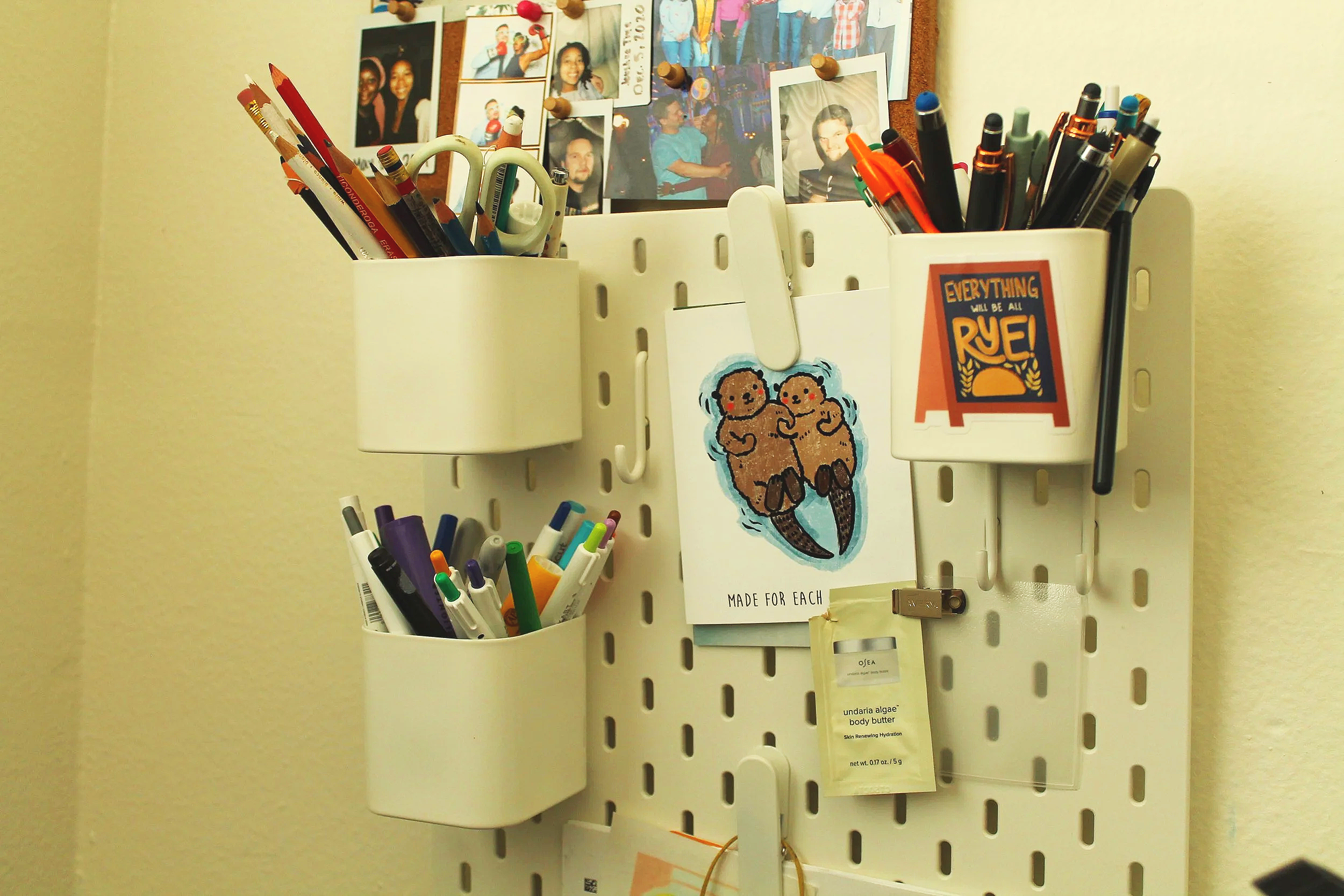
For Pens & Pencils
Cans or jars (glass or metal) on your desk, keep them sorted by type or color
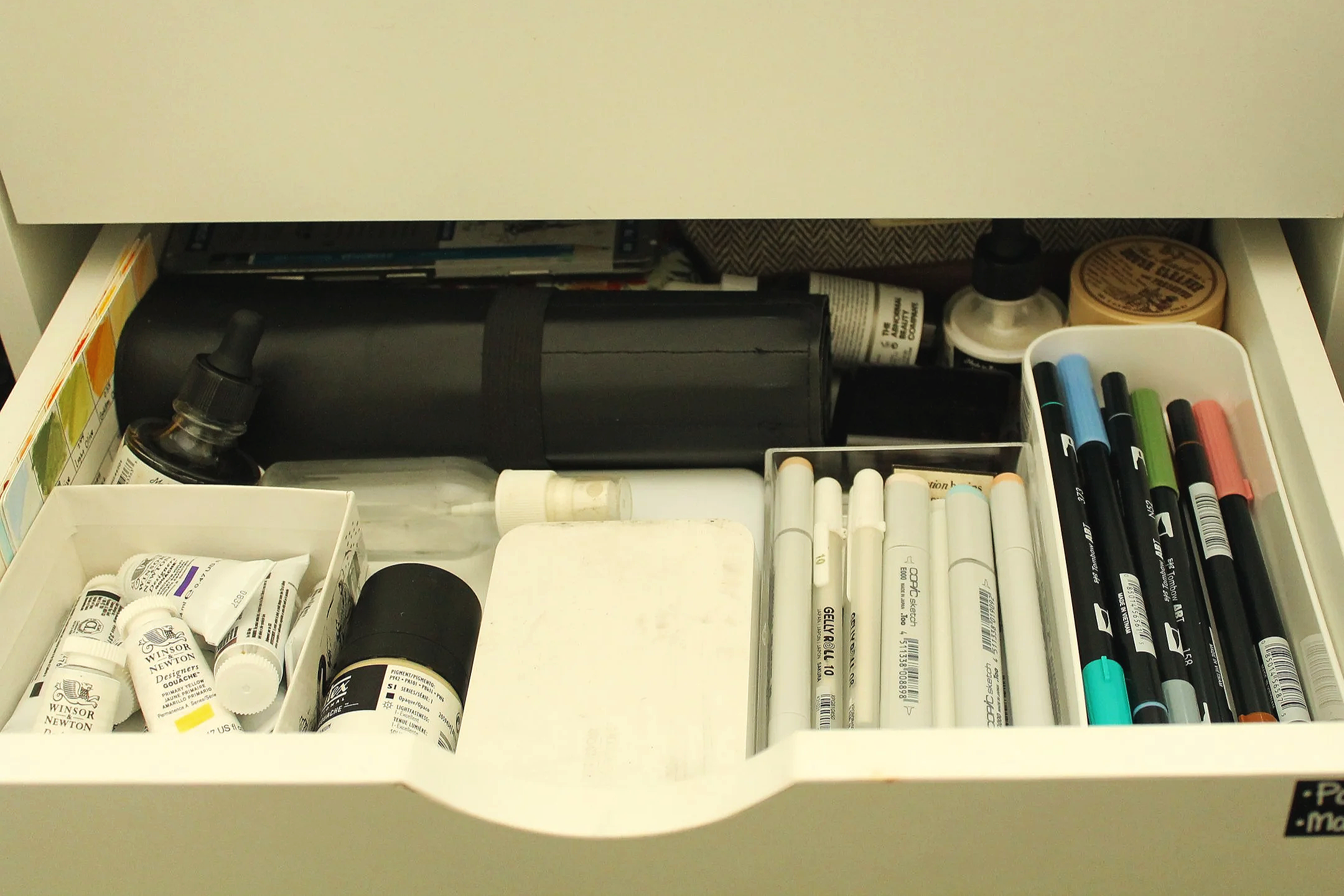
Drawer organizers with adjustable compartments
Repurposed household items: spice racks, cutlery trays, or plastic clam shells for temporary sorting
| Sustainable tip: Use upcycled glass jars or bamboo organizers instead of new plastic. They’re durable and add warmth to your space.
For Gouache & Paints
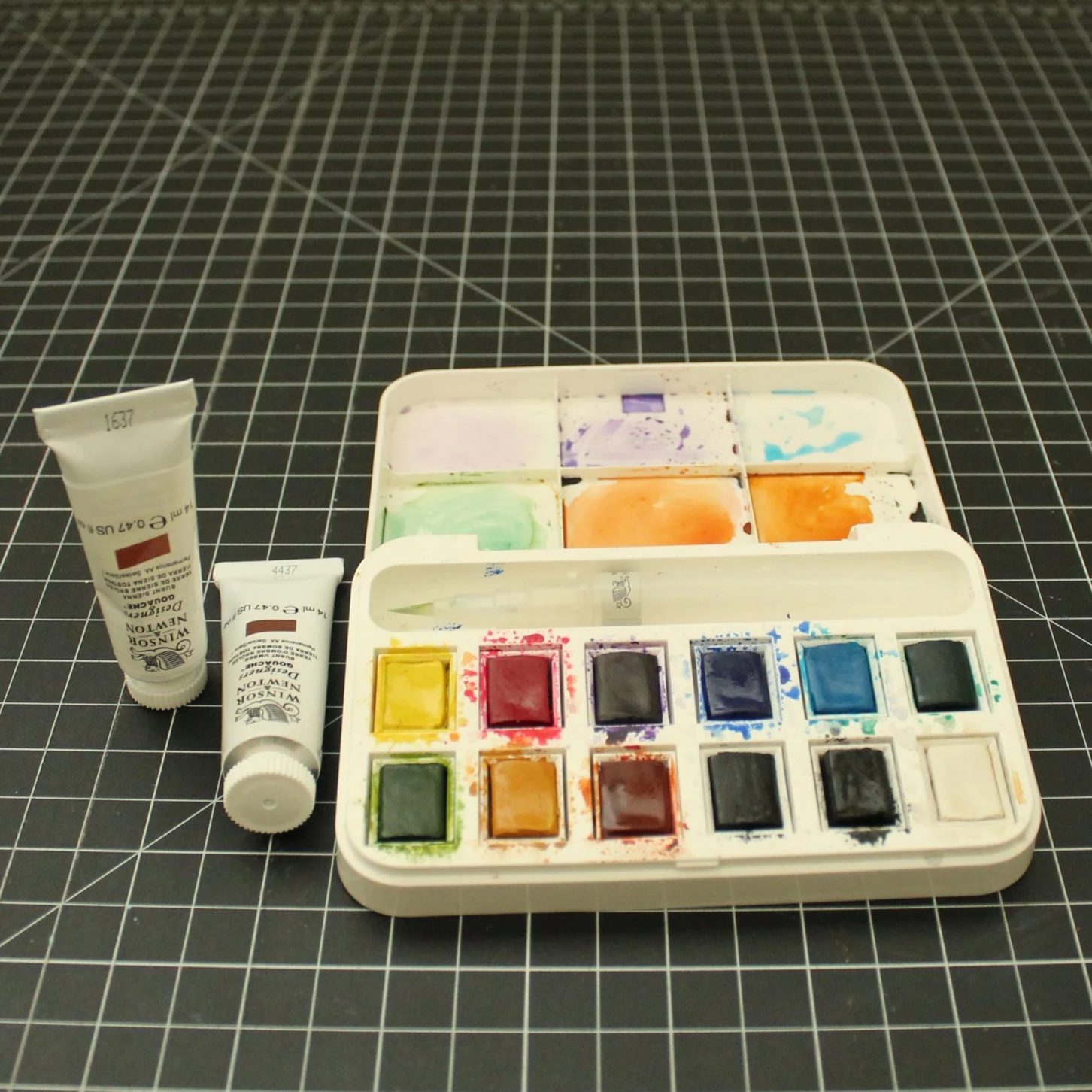
Store gouache pans in their original boxes or in a watercolor travel case with a lid
For tubes, keep them upright in a small cup or drawer tray to prevent drying
Always seal tightly to preserve moisture
| Pro tip: Place a damp sponge in a sealed container with your gouache palette to keep paints workable between sessions.
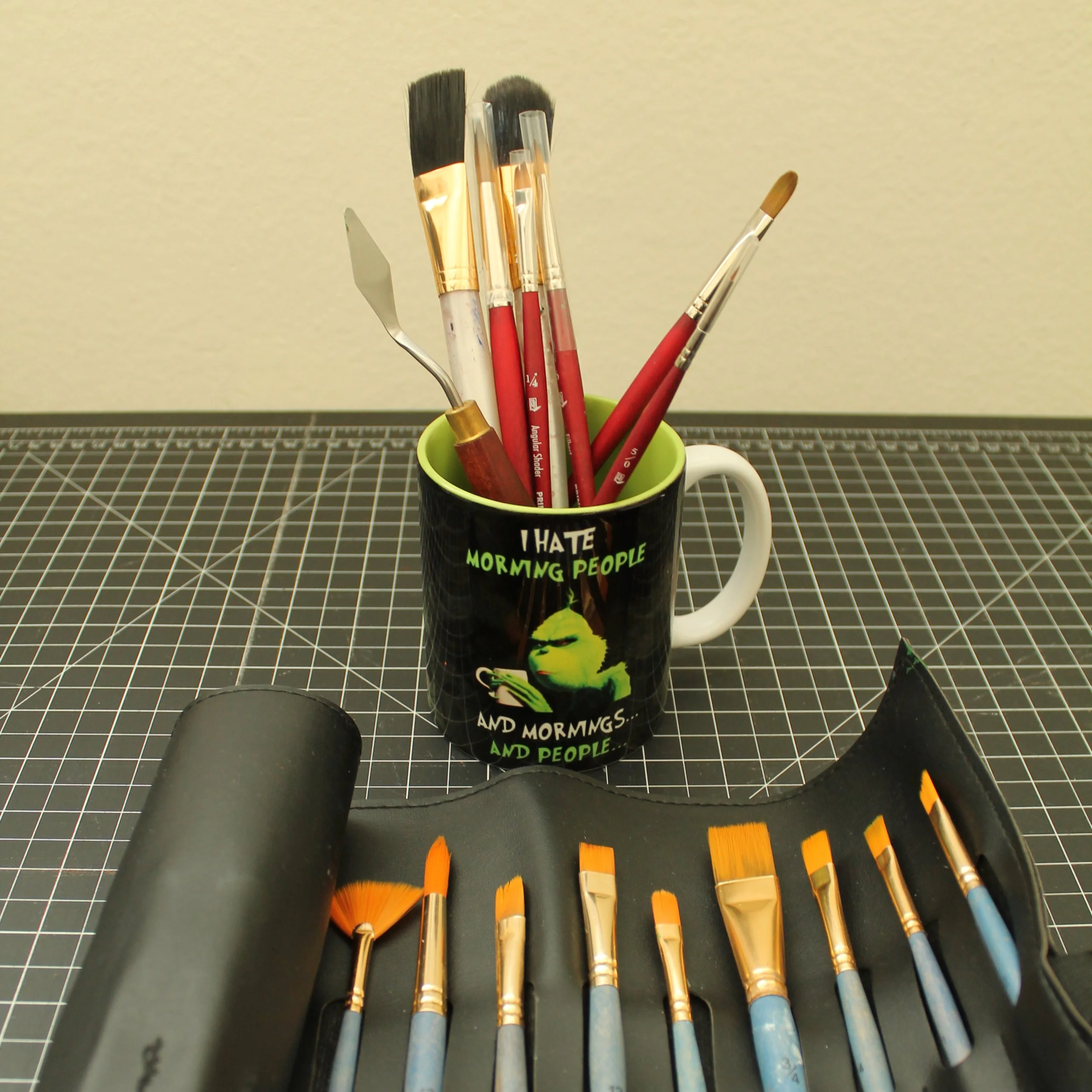
For Brushes
Upright holders prevent bristle damage
Roll-up brush cases are great for travel and protect delicate tips
Never store wet brushes. Clean and dry them fully before putting them away
3. Use Drawer Systems or Pegboards
Drawer units with customizable inserts or trays are ideal for small spaces
Pegboards with hooks and baskets let you hang scissors, rulers, and pencils. Perfect for seeing everything at once
Eco-friendly options
Look for organizers made from FSC-certified wood or recycled materials.
4. Label Everything
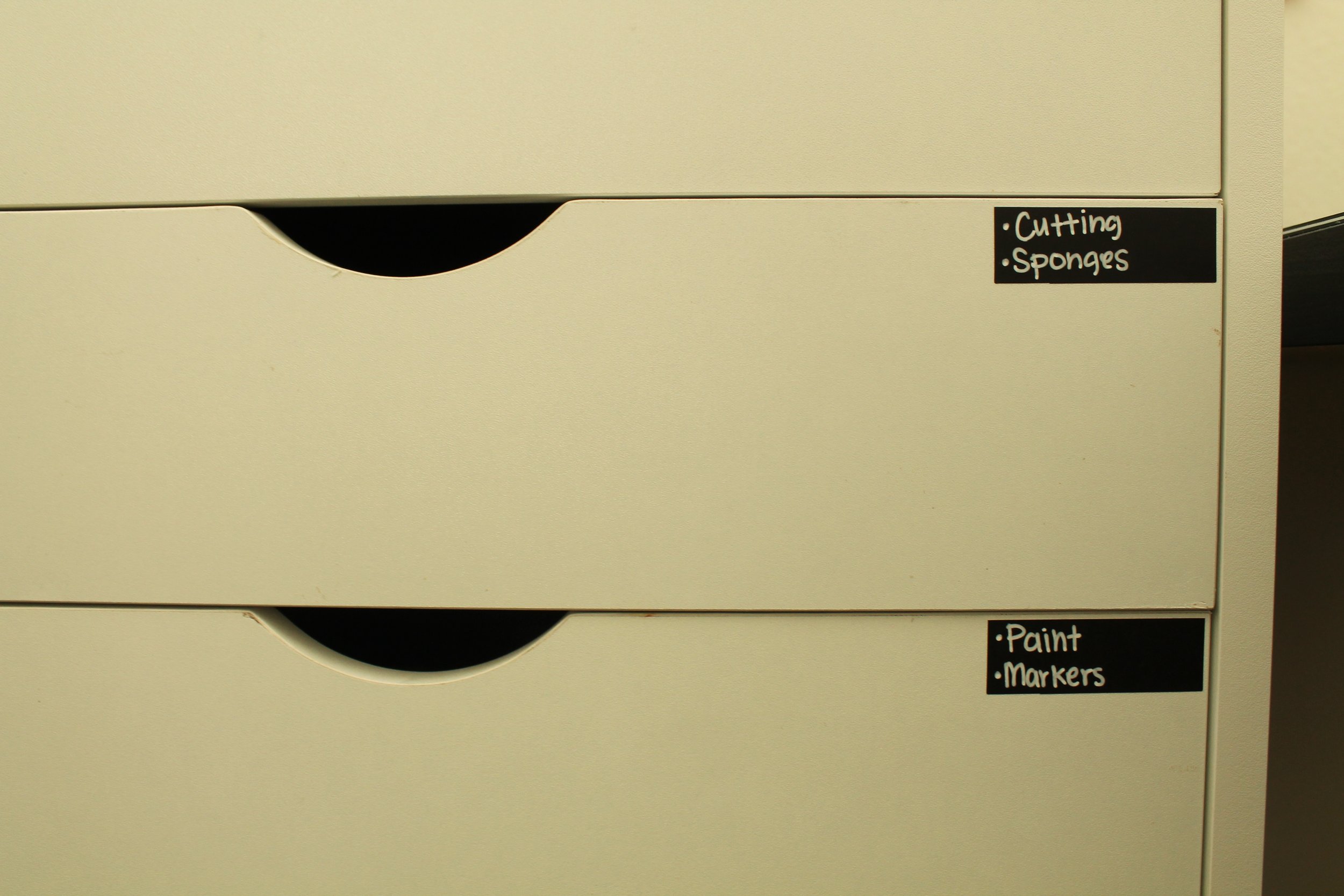
Labels save time and keep order. Use:
Chalkboard tags
Reusable label makers (avoid single-use plastic tape)
Handwritten cards
5. Protect Light- and Heat-Sensitive Supplies
Keep gouache and watercolors away from direct sunlight to prevent fading or drying
Store in a cool, dry place—under the desk or in a closed cabinet works well
Avoid damp basements that can encourage mold
6. Rotate and Declutter Regularly
Every few months:
Check for dried-out markers or hardened paints
Sharpen pencils
Donate unused supplies to schools or art programs
Did you know? Many art supply brands like Faber-Castell and Staedtler support sustainability through reforestation and recyclable packaging. Consider supporting them when restocking.
7. Inspire with Your Setup
Your storage can be part of your creative identity:
Display favorite tools like a mini gallery.
Use natural storage materials: cork, wood, linen
Add a small plant nearby. Peace lilies or snake plants purify air and thrive in indirect light
A well-organized art station doesn’t have to be expensive or perfect. It just needs to work for you. When your supplies are cared for, they’re ready to help you bring ideas to life every time you sit down to create.